I’m a huge Vim fan and using it since 2002 (the year I’ve started to learnLinux and how to compile Gentoo kernel). It’s a fundamental part of my life.But lately, I’m very sad about the performance on macOS terminals (iTerm2 andTerminal.app). On Linux, vim is literally flying, but on macOS, Vim renderingis very slow and lagging.
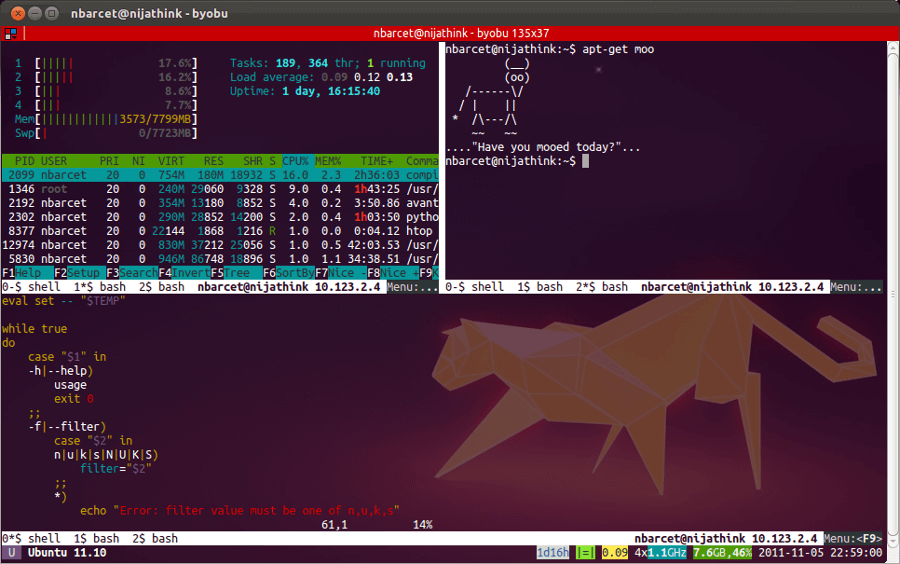
Now that you have the Terminal running, let’s install some additional tools that Homebrew needs. Step 2 — Installing Xcode’s Command Line Tools Xcode is an integrated development environment (IDE) that is comprised of software development tools for macOS. Installation Alacritty can be installed by using various package managers on Linux, BSD, macOS and Windows. Prebuilt binaries for macOS and Windows can also be downloaded from the GitHub releases page. For everyone else, the detailed instructions to install Alacritty can be found here. I’m on Mac, so this install guide is Mac-centric, but see the Alacritty repo for more installation instructions. Since Alacritty is a GUI app (icon in the Applications directory), in Homebrew-land this means it’s a 'cask', and has to be installed with the -cask flag: $ brew install -cask -no-quarantine alacritty. NOTE: This tutorial will use iterm2 which is a popular alternative to the MacOS terminal. If you want you can use other terminals, usually Alacritty is a good option and looks damn cool too. ITerm2 is a replacement for Terminal and the successor to iTerm. It works on Macs with macOS 10.14 or newer. ITerm2 brings the terminal into the modern age with features you never knew you always wanted. Why Do I Want It? Check out the impressive features and screenshots. If you spend a lot of time in a terminal, then you'll appreciate all the.
This wasn’t always the case though. Some of the older version of iTerm2’srendering was fast. I know it was fast. But with each macOS update and iTerm2update, it would either get fast or slow. Some versions work decent, some don’t.And I didn’t want to stuck with an older version as well, as the newer versionof iTerm2 always has a lot of bug fixes.
After upgrading to a new machine (iMac Pro), I thought it would be much fasternow that I have a beast under me. But nope :) Things don’t work like that. Thiswas really frustrating. Upon some research, I’ve found my answer.

GPU accelerated terminal
I’m not alone. There are also other people who are not happy with current stateof emulators. Joe Wilm decided to change it and started theproject “Alacritty”.
Alacritty, is a cross-platform, GPUaccelerated terminal emulator written in Rust. It is focused on simplicity andperformance and therefore it’s very opinionated, but at the same time also veryambitious. Time will tell how Alacritty will end up, but I see already that ithas a lot of fans. What makes Alacritty so different from others?
Obviously, GPU accelerated rendering is the biggest selling point (usingOpenGL). However, it’s very opinionated as well:
- It aims to be the fastest terminal emulator available everywhere. This isdone mainly by using custom written, fast parsers in Rust with advancedtechniques (such as table-driven parsing and using zero-cost abstractions inRust)
- Simplicity is one of the core values of Alacritty. This means there is no GUIto change the configuration, no pane/window handling (no tabs orvertical/horizontal splits), no scrollback, etc.. The list goes on. Instead,one has to use something like Tmux to include all these features. Thissurprisingly works really good. However, there is an open PR that implementsscrollback, so things canchange regarding the focus towards simplicity.
- Appearance is another important part of Alacritty. One difference I could seeis that with my new iMac Pro, the display supports the P3 color gamut. iTerm2uses sRGB, whereas Alacritty uses the system color profile. The colors aremuch more vibrant in Alacritty.
- Alacritty is cross-platform. It aims a support for Linux, macOS, and Windows.
The author wrote a blog post that goes over these in more detail. Worth readingit: Announcing Alacritty
Install Alacritty
There are no binaries to install, from the author’s words:
Precompiled binaries will eventually be made available on supportedplatforms. This is minimally blocked in a stable config format. For now,Alacritty must be built from source.
So how do you build from the source? This is all written in theREADME.mdfile. I didn’t find the README.md very useful as the steps for macOS is allover the place. Here is a recap for you:
First, you need Rust to compile and build Alacritty. The easiest way toinstall rust is to to use the official toolchain installerrustup.rs. Execute the following line to install rust:
(note: Kudos to the Rust team to great an easy to install experience for rusttoolchain, but I have to say that Go’s native macOS dmg installer feels moresecure)
All rust related binaries will be installed to .cargo/bin. Make sure to addit to your PATH:
Finally, make sure you have the right Rust compiler installed:
And then git clone Alacritty and start compiling the macOS app:
Once this is finished, you’ll get a ready to use Alacritty.app file. Copy itto /Applications and you’re done!:
But, don’t start Alacritty yet. There are couples of configuration steps worthtalking. Let’s do them.
Configure Alacritty
There is a ready to use configuration file in Alacritty for macOS. Copy it tothe configuration folder of Alacritty (be sure to be inside the git repo):
Now when you start Alacritty, it should start with this base configuration.We’re not finished yet as I’ve customized it a little bit for my need. What arethese?
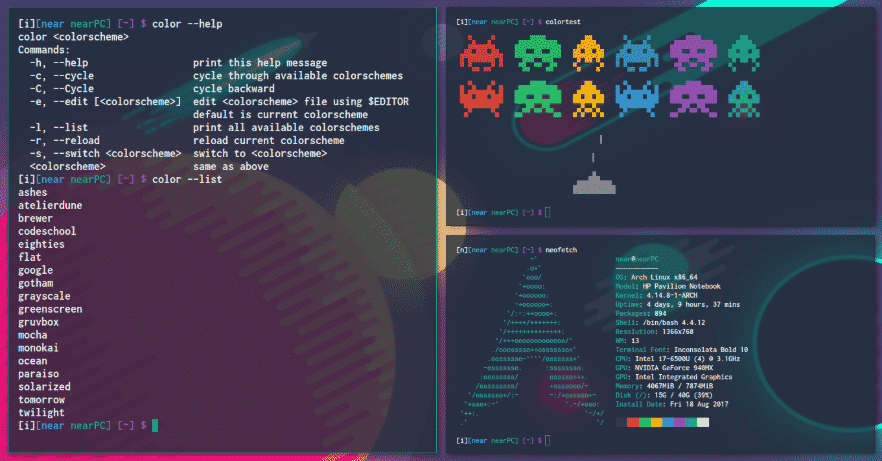
First I’m using the SF Mono fonts:
I don’t like pure black background because it hurt my eyes. I, therefore, use aslightly less muted background. I also like a red cursor block:
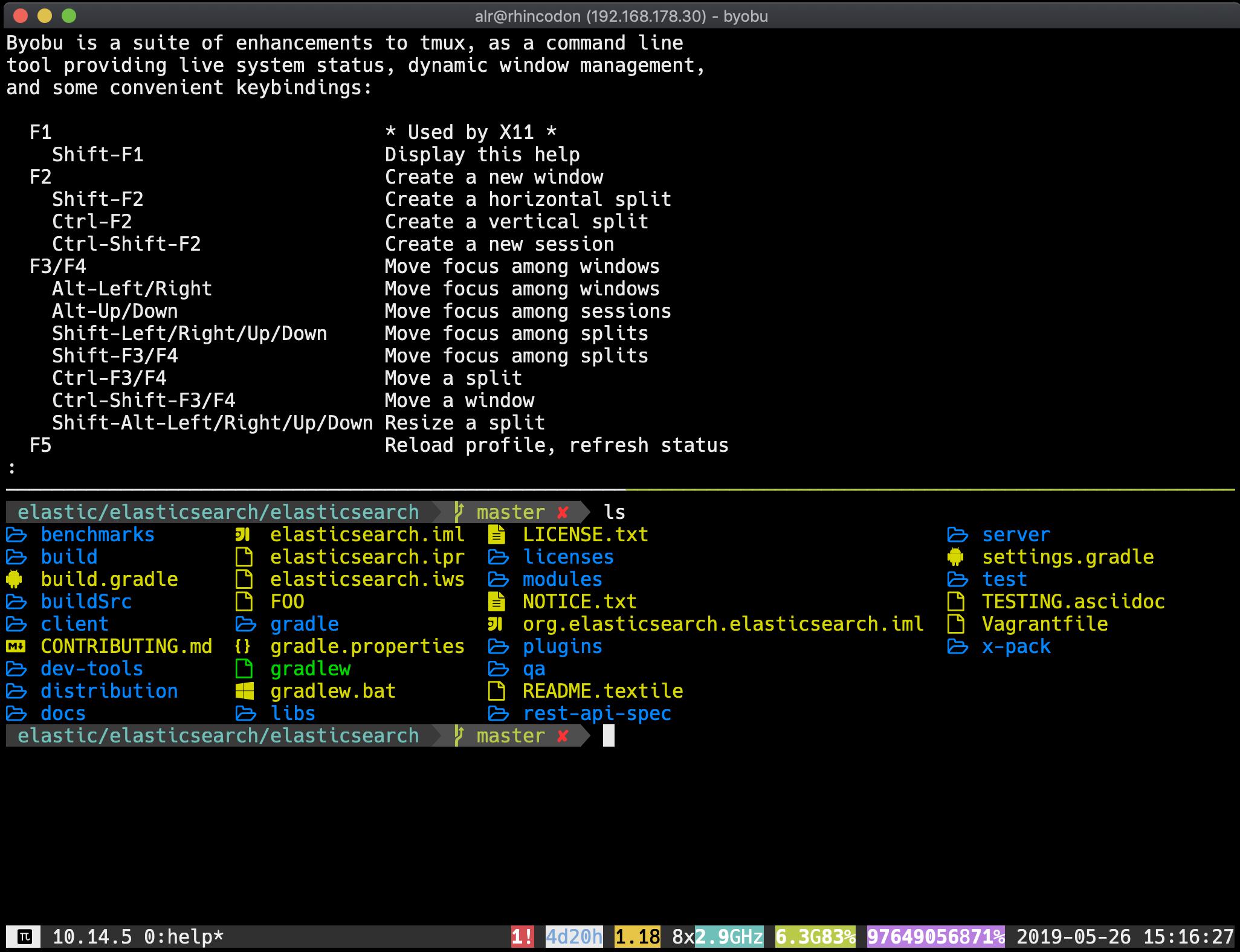
I don’t want to see my cursor when I use the terminal, so I disable showing thecursor it with:
My shell is set to zsh. We have to tell Alacritty explicitly which shell weuse:
Lastly, I don’t use cmd+w to close a window (we’re going to use it forsomething else). Therefore I deleted the following line from key_bindings:
Those are the main parts in my configuration. I’m still discovering new thingsand updating my alacritty.yml file from time to time. Be sure to follow mydotfiles repo to see the latest changes:https://github.com/fatih/dotfiles/blob/master/alacritty.yml
We’re still not finished though. The key_bindings field is interesting thatit allows us to capture any shortcut and execute certain commands. We can evenwrite escape sequences for certain shortcuts. This is very powerful because itallows us to customize Alacritty even further if used with tmux.
Make Alacritty feel like iTerm2
I like iTerm2 and using heavily the split/verticalpanes, tabs, resizing the panes etc.. features of it. It’s heavily customizedfor my needs. As I said, Alacritty doesn’t support any of the bells andwhistles. But it can be configured to send escape sequences (in hex code) foryour custom shortcuts.
Before we dive into this, note that I use tmuxfor managing my views. tmux is very powerful, so you can do a lot of thingswith it. You can see my tmux configuration file in my dotfiles repo:tmux.conf
All terminal multiplexers/applications have their own terminology. In tmux this is:
- session: a collection of terminals that
tmuxhandles. Each session has one more window - windows: a window occupies the entire screen. It can be split into rectangular panes
- panes: the smallest unit in a window. One or multiple panes
This is kinda the same in iTerm2, except windows is called tabs. I’m usingtabs and panes heavily in iTerm2 with shortcuts (no mouse is used), such as :
- create/close a new tab
- create vertical and horizontal pane
- increase/decrease size of panes
- jump between tabs directly
- move between panes easily
I can do all these actions with tmux as well. But not with the same shortcuts.For example, if I want to open a new vertical pane, I have to type the following:
This means, you first press ctrl and f together, and then press v. Forhorizontal split, I use the following:
Same, for the steps above I have to use these shortcuts in tmux (I’ve manuallychanged some of them to my own liking):
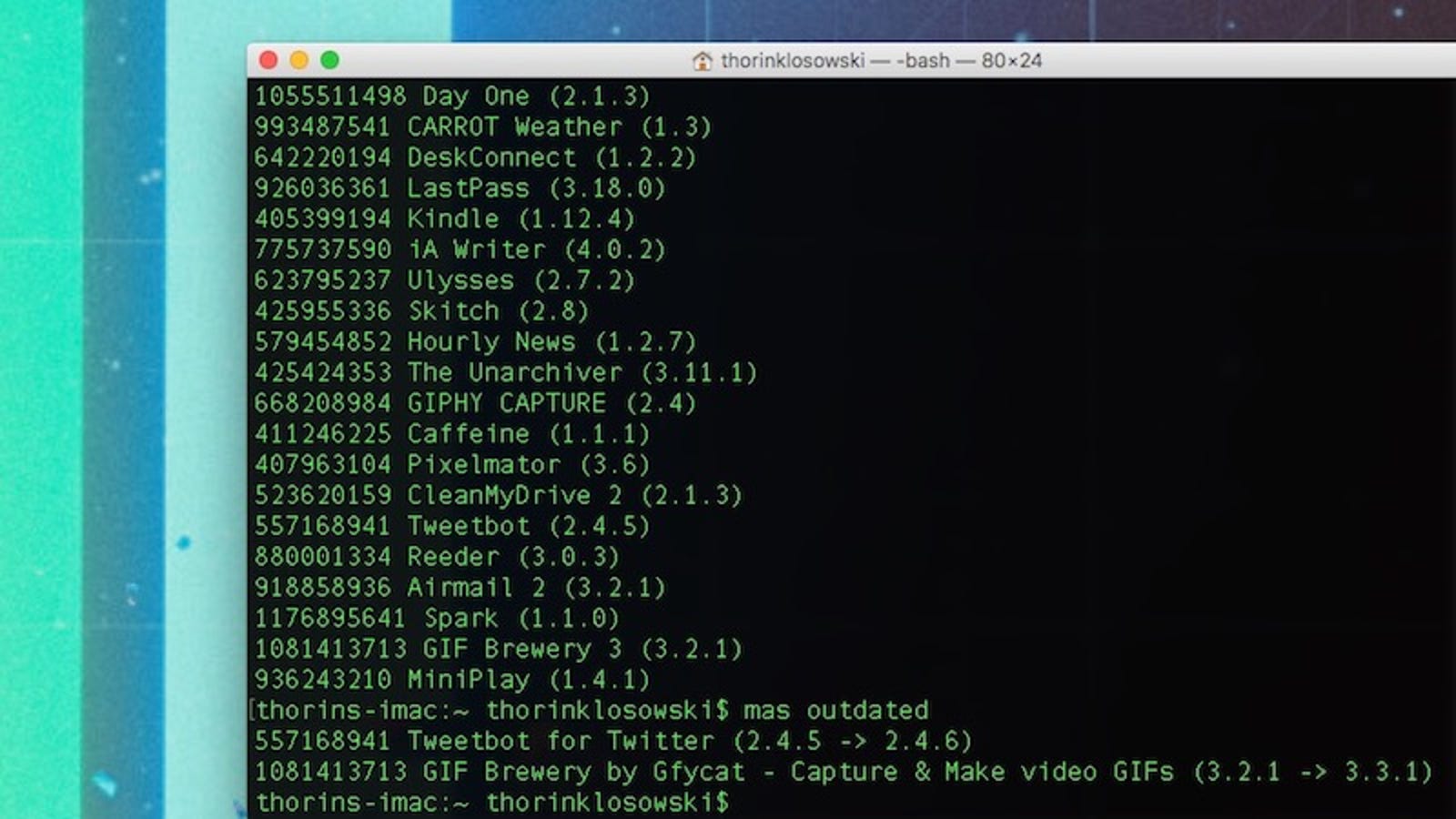
- create a tab:
ctrl-f c - close a tab:
ctrl-f & - close a pane:
ctrl-f x(this also closes the tab if there is a single pane) - create vertical pane:
ctrl-f v - create horizontal pane:
ctrl-f s - move between panes:
ctrl-f h,ctrl-f j,ctrl-f kandctrl-f l - resize panes:
ctrl-f H,ctrl-f J,ctrl-f Kandctrl-f L - jump to specific tab:
ctrl-f <number>, i.e:ctrl-f 3
However, I use a completely different shortcut set under iTerm2:
- create a tab:
cmd + t - close a tab:
cmd + w - close a pane:
cmd + w - create vertical pane:
cmd + d - create horizontal pane:
cmd + shift + d - move between panes:
cmd + h,cmd + j,cmd + kandcmd + l - resize panes:
cmd + left,cmd + right,cmd + upandcmd + down - jump to specific tab:
cmd + <number>, i.e:cmd + 3
Now the question boils down how to use these shortcuts in tmux? As I said,Alacritty can be configured to send escape sequences (in hexcode) for yourcustom shortcuts.
So, for example, you can send a hex code that represents the key combinationctrl-f v which in my case opens a vertical pane. The hex code for thiscombination is: 0x06 0x76. There are many ways to find out how to obtain these hex codes. One of themis the tool xxd. xxd is a tool that creates a hex dump of a given fileor standard input. This is very useful because escape sequences we set inAlacritty needs to be presented in hex codes.
From your terminal, if you run xxd -psd and press ctrl-f v and then enter andfinally ctrl-c to exit, it outputs the following:
What matters is the sequence 06760a^C. Let’s split it every two characters:
From here, we know that 0x06 0x76 corresponds to ctrl-f v. This is the mostimportant part. Once we have this, we can now tell Alacritty to use this escapesequence code. Remember that I use cmd + d to open a vertical pane, now we’regoing to tell Alacritty to invoke the above escape sequence whenever we usecmd + d inside Alacritty:
To do this, we need to add a line to key_bindings field in alacritty.yml:
That’s it! Now whenever you press cmd + d inside Alacritty, this willautomatically be transformed into the escape sequence x06x76 which then opensa vertical tab in tmux.
Once you have this done, we need to add all other shortcuts as well. This isthe only time-consuming part because you have to call xxd for each tmuxshortcut to obtain the hex code. Let me know if you know if there is an easierway to do it (maybe an ASCII table?)
The followings are the ones that I’m using:
Finally here is my full configuration I use for Alacritty in my dotfiles repoif you’re interested:alacritty.yml
Final words
I’m using now Alacritty for a while and I really like it. I still need to getused to the combination of using tmux with Alacritty. There are couples ofrandom things that I have to mention though:
- Copy/paste is still a hassle for me. Selecting with mouse is possible, but Ihave to press
ybefore I release my selection with mouse. This is reallyawkward. Because of that, I’m using more and more thevim-copymode intmux. This allows me to copy the text without using the mouse. It’s not thebest for me right now, but let’s see if this is something I can live with. - If you resize Alacritty (say with mouse), the content disappears until theresizing is finished. This is a known bug(https://github.com/jwilm/alacritty/issues/869) and the fix is to disabletransparency if you use
High Sierra. There is no setting in theconfiguration, so I’ve recompiled Alacritty by disabling transparencyinsrc/windows.rs:
- There is another weird bug that only happens when I focus on Alacritty byclicking with the mouse. In this case, the statusline of Vim suddenly jumpsto the middle of the screen. When this happens there is no way I can fix itfrom the keyboard. I’ll update the blog post when I find a solution for this.
- Alacritty is a fairly new project compared to other terminal applications. Ithas a lot of edge cases, so don’t seek short-term stability for now
- I can click on any URL with mouse in iTerm2 (with alt key) and it would open it in abrowser. This is not possible with tmux+alacritty. However, there is a pluginin tmux that enables this with keyboard shortcut: https://github.com/tmux-plugins/tmux-open
- The author of iTerm2 started to implement GPU-based renderer as well andit’s merged to master. This means you can download the nightly iTerm2 andhave the same speed benefits. Here is how you can do it:https://gitlab.com/gnachman/iterm2/wikis/Metal-Renderer#how-to-test-it
- Alacritty looks beautiful on my iMac Pro’s display because it uses the System(P3) color profile. iTerm2 doesn’t do this, therefore the colors look dulland are not vibrant as Alacritty. There is an openissue and the author ofiTerm2 aims to fix it.
I’m going to use Alacritty for a foreseeable future, however, I’m not closingthe doors to iTerm2 either. With time I’ll see if I can live with Alacritty ornot.
Finally, I want to thank Cihangir Savaşand for his much valuable feedback and suggestions.
If you have any questions or feedback, please feel free to share them with me on Twitter: @fatih
Alacritty Install
Alacritty might just be the fastest cross-platform terminal emulator in existence. You can easily customize it to your liking by creating a .ymlconfig file. Alacritty doesn’t create the config file for you, but it looks for one in the following locations:
Linux/macOS
$XDG_CONFIG_HOME/alacritty/alacritty.yml$XDG_CONFIG_HOME/alacritty.yml$HOME/.config/alacritty/alacritty.yml$HOME/.alacritty.yml
Windows
Alacritty For Mac
%APPDATA%alacrittyalacritty.yml
NOTE: you can referrence the default alacritty.ymlconfig file here.
Ok, now that we took care of the config file, let’s apply a theme. You have two options here: You can either search for themes and manually copy-paste the color scheme into your alacritty.ymlconfig file or use a CLI tool called alacritty-themes which comes preconfigured with over 150 themes.
INSTALLATION
- Install with npm:
npm i -g alacritty-themes - If you are using
npxyou don’t have to install the package:npx alacritty-themes - Arch Linux ( and derivates ) users can install alacritty-themes from the AUR.
USAGE
Once installed, all you have to do is run alacritty-themes. Choose the theme from the list of options by typing the theme name and press Enter to apply. You can also navigate with j and k keys for up/down.
The list of options are cycled through automatically so you can go to the last theme by just pressing up arrow key. The search is fuzzy so you can enter any part of the theme name to search.
If you don’t have a config file already in place, alacritty-themes will create one for you. Applying a theme will take immediate effect. Otherwise, just restart alacritty.
Also, you can aliasalacritty-themes to at to save time.